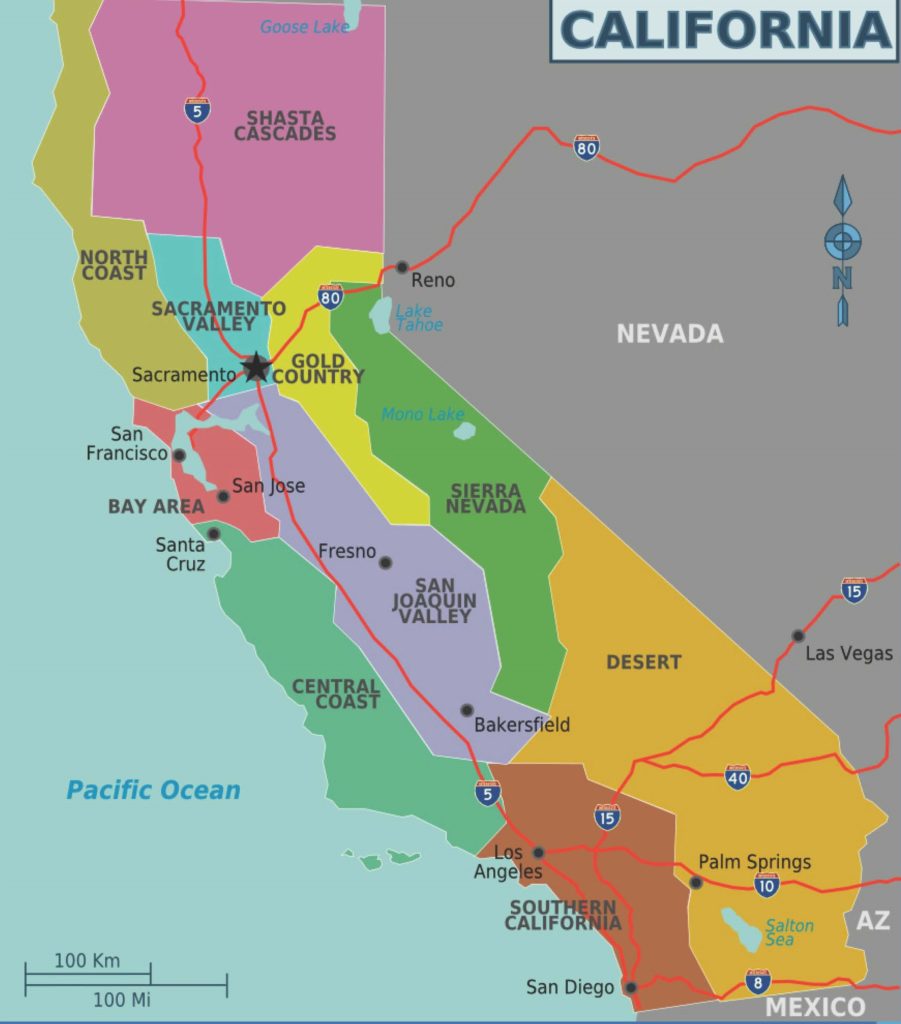
A majority of the Korean immigrants on the mainland – about 2,500 by 1918 – lived in California with a smaller minority spread out across the Western and Rocky Mountain states. Some worked in Alaska under fishing contracts. Most early immigrants were migrant workers traveling from place to place and season to season for work.
From 1903 to 1910, a Korean farm laborer was paid about $1.50 for a 10 hour day. A fisherman’s wage was on average $37 a month. A “school boy” working in a residental home made about $20 a month.
Source: Won-yong (Warren) Kim, Chaemi Hanin Oshipnyun Sa [Fifty-Year History of Koreans in America], 298-299.
“Dal Yun [Shinn] initially worked as an itinerant farmer in California’s Central Valley. His children were born in farm towns. Helen was born in Sacramento, Peter in Tracy, Ruth in Manteca, Richie in Maxwell, Paul in Sacramento and Johnnie in yet another town in Central Valley. While Dal Yun worked in the rice fields, Sun Hee [his wife] stayed home to care for the children, but sometimes worked in a cannery during the canning season.”
—From the Shinn Family history written by members of the third generation Shinns.
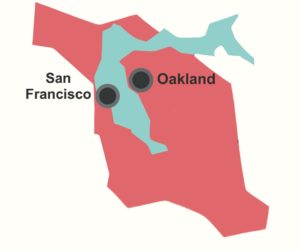
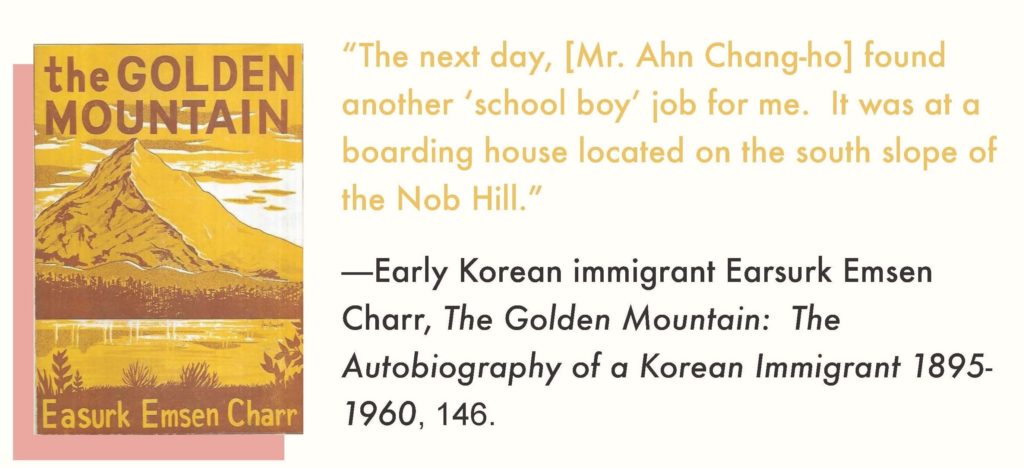
In urban areas, job opportunities for Asian immigrants were extremely limited due to racial prejudice. Korean immigrants often worked as a “school boy” or “school girl” – domestic workers with room and board in private homes – and as busboys and waiters at hotels and restaurants. Working as a “school boy or girl” was popular among students as the tasks could be done early in the morning or late in the afternoon, allowing them to attend school during the day and study in the evening.
Korean immigrants also operated family-run businesses such as diners, laundries, grocery shops, barbers and job placement agencies. Many Koreans lived in San Francisco Chinatown, one of the few places in the city where Asians could find housing. Koreans also lived in Oakland, and the second Korean church in the Bay Area – the Oakland Korean United Methodist Church – was founded in 1914.

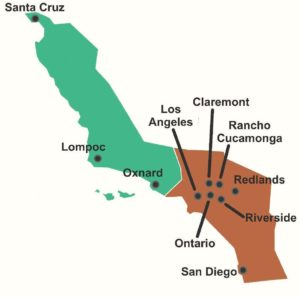
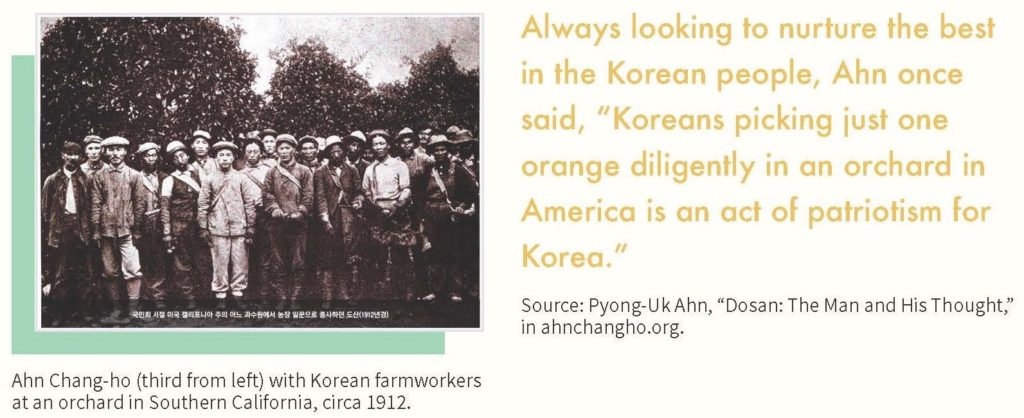
Korean immigrants also lived in the Central Coast and Southern California. Ahn Chang-ho and his wife Hye-ryun (Helen) moved to Riverside around 1904 and helped to organize a small settlement of Korean laborers and their families called the Pachappa Camp. With the help of a local businessman, Cornelius Rumsey, Ahn borrowed money to operate a Korean Labor Bureau (“KLB”), a job placement agency that helped Koreans find work. The Pachappa Camp consisted of about 20 dwellings and a community house centered around the KLB office on Pachappa Avenue and had as many as 300 Koreans living there at one point. Some Koreans were job brokers or operated boarding houses for Korean “bachelor” workers.
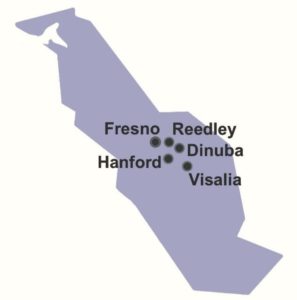
Korean immigrants lived and worked in the San Joaquin Valley starting around 1906. The first few groups of workers went to Fresno to pick grapes at vineyards. In the ensuing years, more Koreans followed and worked on railroad construction in Hanford and on sugar beet farms in Visalia.
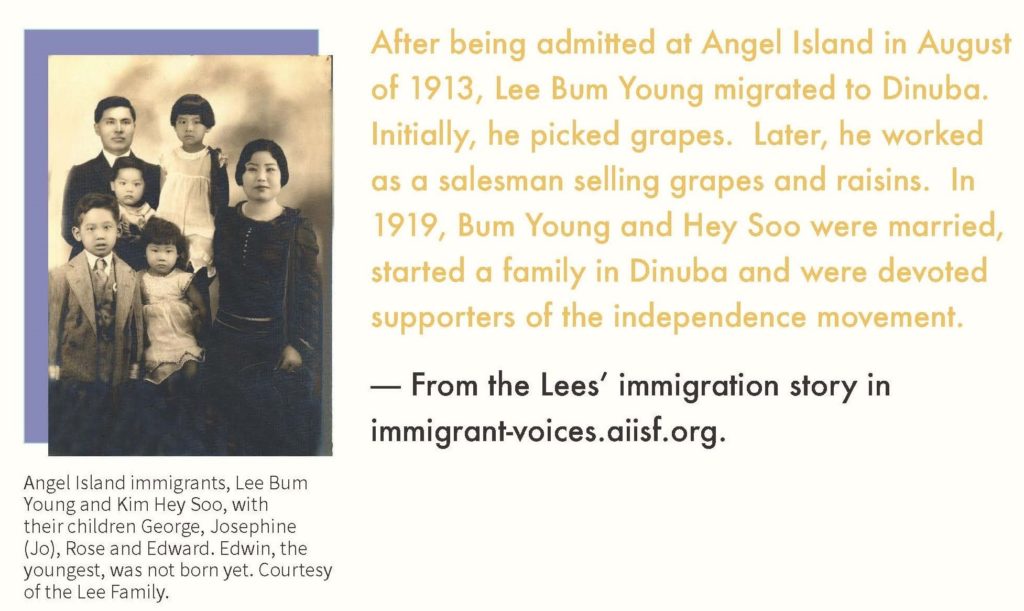
Starting in 1909, an increasing number of Koreans started to work at vineyards in the smaller town of Dinuba. A new pressurized municipal water system had allowed Dinuba to expand its agricultural production in citrus, peaches, dairy and livestock and large vineyards. The Southern Pacific Railroad line that went through Dinuba also helped to grow this city. By 1912, enough Koreans were living and working in Dinuba to support the founding of the Dinuba Korean Presbyterian Church. Later, around 1919, Koreans also started to settle in the nextdoor town of Reedley.
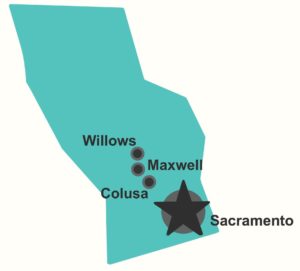
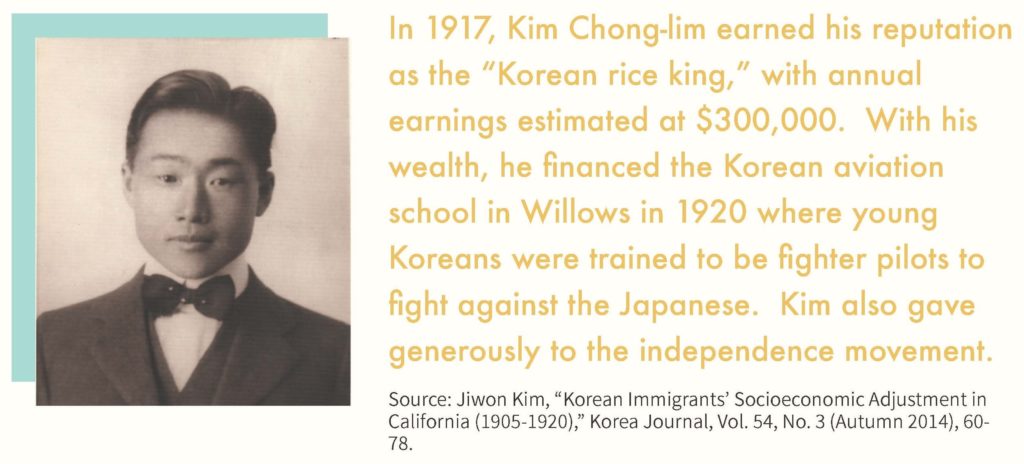
By the early 1910s, the Sacramento Valley had a rice farming boom and landowners sought Asian tenant farmers thinking they would be expert rice growers. Korean immigrants who had until then worked mostly as migrant laborers saw this as an opportunity for socioeconomic mobility. Rice farming gave them new opportunities to share in the profit from the harvest rather than being paid wages. As tenant farmers, Koreans received at least 10% of the harvest profit. County records from the mid-1910s to the 1920s show personal property mortgages with at least 30 different individuals with Korean surnames. Two of the most successful Korean rice farmers were Kim Chong-lim of Willows and Lee Jai-soo of Maxwell. The heavy rain and flooding in the winter of 1920, however, led to huge losses. Financing dried up and many Koreans left rice farming.